

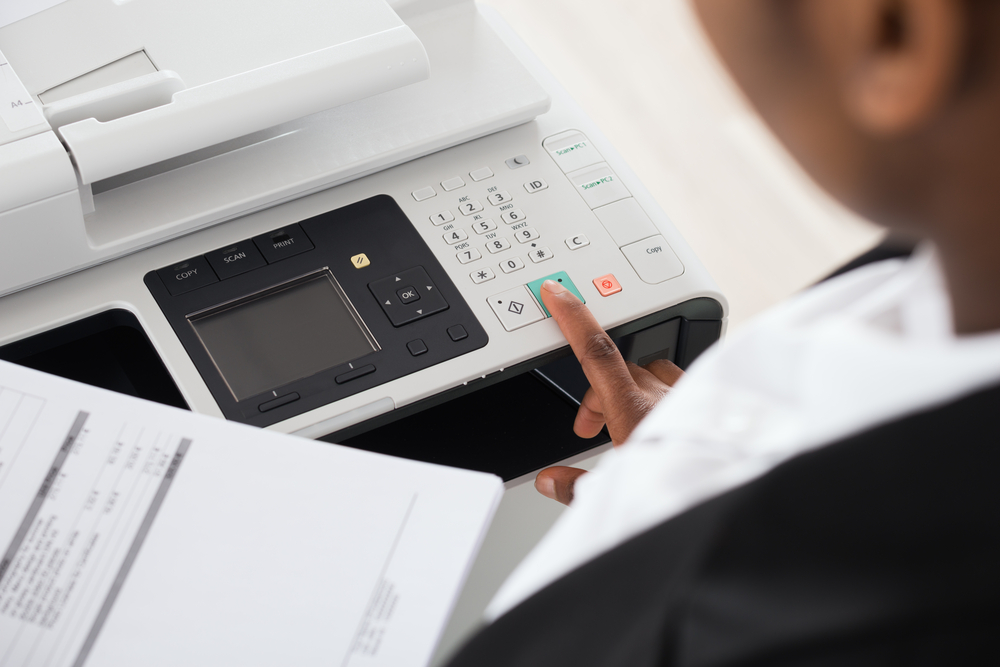
Every office depends on equipment to keep daily operations running smoothly. From computers and printers to phone systems and HVAC units, office equipment supports communication, productivity, and employee comfort. While businesses often focus on upgrading technology and improving workflows, regular equipment maintenance is sometimes overlooked until something goes wrong. However, neglecting maintenance can lead to costly breakdowns, reduced productivity, and unexpected disruptions. Establishing a routine maintenance plan helps businesses protect their investments, improve efficiency, and create a more reliable work environment. In the long run, regular equipment maintenance plays a key role in supporting overall office success.
Reducing Unexpected Downtime
One of the biggest advantages of regular equipment maintenance is reducing the risk of unexpected breakdowns. When essential office equipment stops working, productivity can quickly come to a halt. Employees may be unable to complete tasks, communicate effectively, or access important information. Even a single malfunctioning printer or server can disrupt workflow across an entire office. Preventive maintenance helps identify small issues before they turn into major problems, allowing repairs or adjustments to be made early. By reducing unexpected downtime, businesses can maintain smoother operations and avoid unnecessary interruptions.
Extending the Lifespan of Office Equipment
Office equipment can represent a significant financial investment, especially for businesses that rely on advanced technology and machinery. Regular maintenance helps extend the lifespan of these assets by keeping them in good working condition. Dust buildup, worn components, and outdated software can all contribute to premature wear and tear if left unaddressed. Routine inspections, cleaning, and servicing help equipment perform more efficiently and last longer. Extending the life of office equipment reduces replacement costs and allows businesses to get greater value from their investments.
Improving Employee Productivity
Reliable equipment is essential for maintaining employee productivity. When computers freeze, printers jam, or internet systems fail, employees lose valuable time dealing with technical issues instead of focusing on their work. Frequent equipment problems can also create frustration and lower morale in the workplace. Regular maintenance helps ensure systems operate consistently and efficiently, allowing employees to complete tasks without unnecessary delays. A well-maintained office environment supports smoother workflows and enables teams to work more effectively throughout the day.
Lowering Long-Term Repair Costs
Ignoring minor equipment issues often leads to more expensive repairs later. Small mechanical problems, outdated software, or overheating systems can gradually worsen if they are not addressed promptly. Preventive maintenance helps detect these concerns early before they cause major damage or complete equipment failure. Routine servicing may involve minor expenses, but these costs are typically much lower than emergency repairs or full replacements. Investing in regular maintenance is often a more cost-effective strategy than dealing with unexpected breakdowns and operational disruptions.
Protecting Sensitive Business Data
Many offices rely heavily on computers, servers, and digital storage systems to manage important business information. Equipment failures can lead to lost data, security vulnerabilities, or system outages that affect daily operations. Regular maintenance helps ensure that software updates, backups, and security checks are performed consistently. Maintaining hardware also reduces the risk of crashes caused by overheating or component failure. By protecting office technology systems, businesses can reduce cybersecurity risks and safeguard valuable company and customer information.
Enhancing Workplace Safety
Faulty or poorly maintained equipment can create safety hazards in the workplace. Electrical issues, overheating devices, damaged wiring, or malfunctioning HVAC systems can increase the risk of accidents, fires, or health concerns. Regular inspections help identify potential safety risks before they become serious problems. For example, maintaining heating and cooling systems improves air quality and ensures a comfortable working environment for employees. Safe and reliable equipment contributes to a healthier office atmosphere and helps businesses comply with workplace safety standards.
Maintaining Professionalism and Customer Confidence
Office equipment also affects how customers and clients perceive a business. Frequent technical issues, communication delays, or malfunctioning systems can create a negative impression and reduce customer confidence. For businesses that regularly host meetings, process transactions, or communicate with clients, reliable equipment is essential for maintaining professionalism. Regular maintenance ensures systems remain dependable and presentable, helping businesses provide consistent service and build stronger relationships with customers.
Supporting Energy Efficiency
Well-maintained office equipment often operates more efficiently, which can help reduce energy consumption and lower utility costs. Dust-filled computers, outdated HVAC systems, and neglected office machinery may use more energy than necessary due to poor performance. Routine cleaning and servicing improve efficiency and help equipment function at optimal levels. Energy-efficient operations not only save money but also support environmentally responsible business practices. Over time, even small improvements in efficiency can make a noticeable difference in operating expenses.
Creating a Proactive Maintenance Culture
Businesses that prioritize regular maintenance often develop a more proactive approach to operations overall. Instead of reacting to emergencies and disruptions, they focus on prevention and long-term planning. This mindset encourages better organization, accountability, and resource management across the workplace. Employees also become more aware of equipment care and are more likely to report issues early before they escalate. A proactive maintenance culture helps businesses operate more efficiently and reduces stress associated with unexpected equipment failures.
Why Maintenance Matters for Office Success
Regular equipment maintenance is an essential part of running a successful and efficient office. By preventing downtime, extending equipment lifespan, improving productivity, and reducing long-term costs, maintenance helps businesses operate more smoothly and reliably. It also supports workplace safety, protects important data, and enhances professionalism in the eyes of clients and customers. Rather than waiting for equipment to fail, businesses that invest in preventive maintenance can avoid costly disruptions and create a stronger foundation for long-term growth and success.